Winter temperatures in the High Desert can create the perfect conditions for a heat pump to ice over. When outdoor humidity rises above 70% and temperatures drop below 40°F, frost can begin forming on the heat pump. Because heat pumps sit outside and are constantly exposed to the elements, a thin layer of frost is normal—but heavy ice buildup is not.
Once a thick sheet of ice covers the outdoor coils, heat transfer is disrupted. This prevents the refrigerant from absorbing heat from the air, leading to poor performance, reduced airflow, and eventually a complete system failure if not corrected.
Why Heat Pumps Normally Defrost
Modern HVAC systems are designed to remove frost through an automatic defrost cycle. When sensors detect excess ice on the coils, the heat pump temporarily reverses operation—switching from heating to cooling mode. This allows hot refrigerant to flow through the outdoor coils, melting the ice and restoring normal heating.
A typical defrost cycle lasts anywhere from 5 to 30 minutes. If the system is functioning correctly, the ice should fall away or melt enough for the pump to resume efficient operation.
Reasons a Heat Pump Fails to Defrost
If your heat pump remains iced over for longer than 30 minutes, there is likely a mechanical or electrical issue. Common causes include:
-
Faulty Defrost Sensor
The sensor may fail to detect coil temperature correctly, preventing the system from entering the defrost cycle. -
Malfunctioning Defrost Control Board
The control board regulates when and how long the system stays in defrost mode. A bad board causes frequent icing problems. -
Stuck or Faulty Reversing Valve
The reversing valve switches the heat pump between heating and cooling. If it cannot shift into cooling mode, the system cannot melt the ice. -
Low Refrigerant Levels
Without the proper refrigerant charge, the system cannot generate enough heat to defrost the coils. -
Blocked Airflow
Snow, vegetation, dirt, or debris around the unit reduces air intake, causing ice to form faster than the system can melt it. -
Failed Outdoor Fan Motor
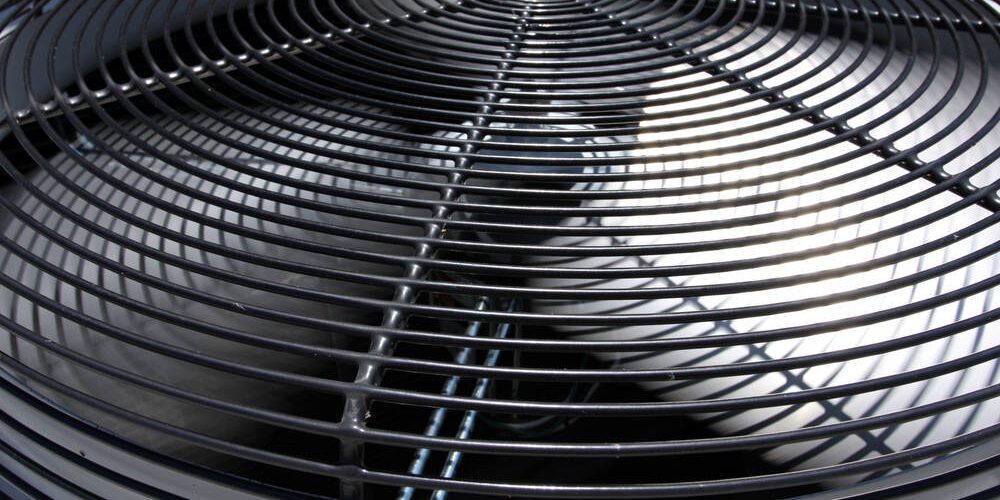
If the fan stops spinning, frost builds up rapidly due to insufficient airflow across the coils.
Environmental Factors to Watch During Winter
Homeowners in the High Desert should pay close attention to weather conditions that trigger icing:
-
Freezing rain or sleet
-
Snow accumulation around or on top of the unit
-
Water dripping from damaged or misaligned gutters
-
Shade or low sunlight areas where ice melts slower
These conditions can force even a healthy heat pump into extended or repeated defrost cycles.
What Homeowners Should—and Should NOT—Do
If your heat pump is covered in ice:
Do:
-
Clear away snow, leaves, and debris from around the unit.
-
Fix gutter leaks that drip water onto the heat pump.
-
Make sure the heat pump has at least 12–18 inches of open space on all sides to allow proper airflow.
-
Replace or clean air filters monthly during heavy heating use.
-
Schedule routine maintenance before and during winter.
Do NOT:
-
Do not chip or pry ice off the unit. The fan blades, coil fins, and copper tubing are extremely delicate and can break easily.
-
Do not run the system if the entire unit is encased in thick ice—you can burn out the compressor.
-
Do not pour hot water over the unit, which can cause thermal shock and damage the coils.
If the unit remains frozen after a full defrost cycle or the ice keeps returning, stop using the heat pump and call a professional immediately.
Why Heat Pump Maintenance Is Critical in the High Desert
Heat pumps work year-round, performing both heating and cooling duties. This means they experience more wear than a traditional furnace and need regular tune-ups to maintain efficiency. Proper maintenance helps:
-
Prevent emergency winter breakdowns
-
Improve energy efficiency and lower utility bills
-
Extend the life of the compressor and fan motors
-
Maintain safe operation by ensuring sensors and controls work properly
Book a Professional Inspection Today
If your heat pump is experiencing icing, short cycling, airflow problems, or defrost issues, contact the trained specialists at Elite Climate Control. We service Apple Valley, Hesperia, Victorville, Adelanto, and the surrounding High Desert communities.
Schedule your appointment today and protect your home’s comfort all winter long.